Pair AI-powered synthetic testers with real human feedback to validate faster, dig deeper, and decide with confidence. We're building the platform modern Design & UX teams need to make that happen.
THE PROBLEM
Teams now ship daily. But recruiting participants, scheduling sessions, moderating interviews, and synthesizing results still take weeks.
When research can't keep up, teams don't wait. They skip validation and find the friction after real users hit it. The problem was never that teams stopped caring about users. It's that the method stopped fitting the pace.
AI now writes the code, generates the designs, and assembles the infrastructure. What used to take a quarter takes days.
But when anyone can ship anything, the products that win are the ones that truly understand what people need, and keep adapting as they learn. That's the new bottleneck. And it's why UX isn't a phase before launch anymore. It's the differentiator.
OUR APPROACH
Every research question calls for a different approach - synthetic, human, or both. We're building the tools to help your team pick the right one, and run it, exactly when it's needed.
You need feedback fast
Synthetic
Synthetic
You’re making a high-stakes decision
You need emotional depth or nuance
You want to test with different contexts
Every synthetic tester is built in layers - from real-world data up to a distinct personality - and designed to navigate digital interfaces as your audience would do. Here’s the shape of it.

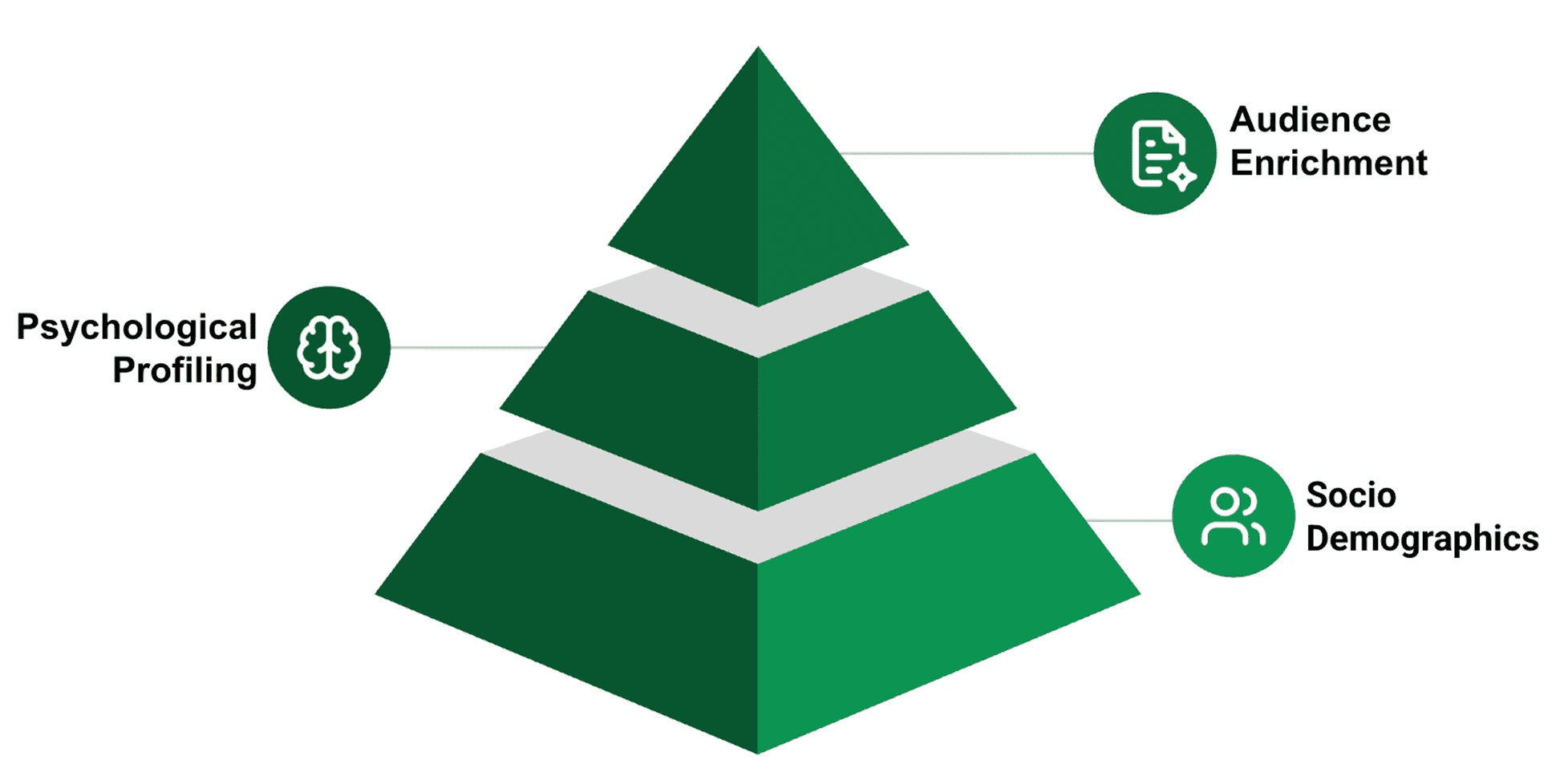

03 - AUDIENCE ENRICHMENT
We work directly with your data to make sure every tester mirrors the audience you’re actually building for.
02 - PSYCHOLOGICAL PROFILING
Each tester gets a distinct personality profile and life story that shapes how they think and react to your screens.
01 - SOCIO-DEMOGRAPHICS
Grounded in real-world data from multiple datasets, including age, location, income, and technology habits - not assumptions.
OUR BELIEFS
When testing takes weeks, teams ration it. When it takes minutes, it becomes part of every product decision.
Testing with Uxia is like putting on a seat belt: it takes almost no effort, but skipping it creates unnecessary high risks. Most untested releases may seem fine - until one isn’t.
AI participants make it possible to test earlier, more often and at a much larger scale.
We believe AI testing is the safest place to start. Stress-test a study or design before involving real participants, uncover weaknesses early and use human research where deeper understanding is needed.
A demographic profile generated by an LLM isn’t a participant.
Meaningful insights must be grounded in how people actually behave when using a product.
We don’t build synthetic participants from prompts alone. We ground them in behavioural evidence, research and real product interactions - because credible decisions require more than a convincing persona.
Some questions need speed and scale. Others need human experience and deeper context. Strong research teams use both.
Uxia is the only platform where you can launch studies with both synthetic and human participants. Start with AI to test in minutes, then validate with real people when the decision requires it - all within the same research workflow.